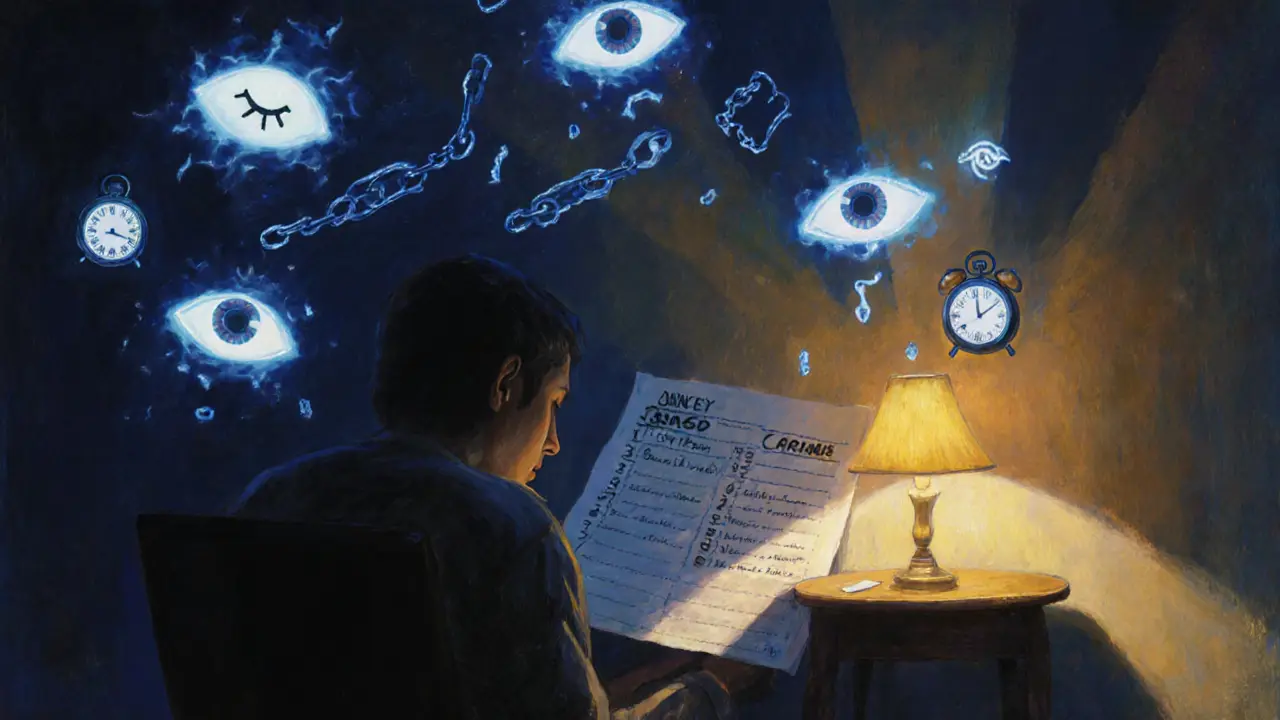
Krizové plánování v terapii: Co dělat při akutním zhoršení stavu
Krizové plánování v terapii je klíčový nástroj pro přežití akutní duševní krize. Zjistěte, co musí obsahovat, jak ho vytvořit a proč ho v Česku stále mnoho terapeutů ignoruje.
When your mental state takes a sudden turn for the worse, you’re not alone — and help is closer than you think. akutní zhoršení, náhlé zhoršení duševního stavu, které ohrožuje bezpečí člověka nebo jeho schopnost fungovat. Also known as duševní krize, it can come with overwhelming emotions, panic, flashbacks, or thoughts you can’t shake off. This isn’t weakness. It’s your nervous system screaming for safety. And when that happens, you don’t need to figure it out alone.
psychiatrická pohotovost, systém okamžité pomoci pro lidi v životně ohrožující krizi exists for exactly this. You can call 155 — no judgment, no paperwork, no waiting. They’ll send someone to you, or guide you to the nearest krizové centrum, místo, kde ti pomohou přežít okamžik, kdy už nevíš, jak dál. These aren’t hospitals for the "crazy" — they’re safe rooms for people who are drowning in their own minds. And if you’re worried about someone else? The same rules apply. A quiet voice saying "Nemám pro co žít"? That’s not just sadness. That’s a red flag. Know what to do.
sebevražedné myšlenky, přemýšlení o ukončení života jako jediném řešení don’t always come with dramatic warnings. Sometimes they whisper. They hide in silence, in canceled plans, in "I’m fine" that sounds too flat. You don’t need to wait for a crisis to get help — but if one hits, you deserve immediate support. And you’re not broken for needing it.
What you’ll find below are real, practical guides from people who’ve been there. How to recognize when it’s time to call for help. What happens when you walk into a crisis center. How to talk to someone who’s falling apart — without making it worse. Why some people avoid help even when they’re desperate. And how to protect yourself when the world feels like it’s collapsing.
This isn’t about fixing everything at once. It’s about surviving the next hour. The next minute. And knowing — really knowing — that you’re not alone in it.
Krizové plánování v terapii je klíčový nástroj pro přežití akutní duševní krize. Zjistěte, co musí obsahovat, jak ho vytvořit a proč ho v Česku stále mnoho terapeutů ignoruje.